Click here for English.
-
ایده پرچم جدید برای ایران دموکراتیک

.تمامی حقوق محفوظ است مفهوم پرچم سهرنگ
.سبز نماد زندگی و طبیعت است
این رنگ بیانگر چشماندازهای سرسبز و غنی ایران است، از نواحی ساحلی دریای خزر در شمال کشور و جنگلهای بلوط زاگرس گرفته تا سواحل خلیج فارس و مناطق سرسبز ارسباران.سفید نماد آزادی و آرامش است
این رنگ بازتابدهنده پهنه گسترده دشت کویر، کوههای منحصربهفرد و مریخگونه چابهار، قله سپیدپوش دماوند، علمکوه، سهند و سبلان، و همچنین رشتهکوههای پهناور زاگرس و البرز است.قرمز نماد شجاعت و رشادت است
این رنگ جلوهگر طبیعت چشمگیر و متنوع ایران، از سواحل سرخ جزیره هرمز و دریاچههای مهارلو و لیپار تا کوههای رنگارنگ آلاداغلار و ارتفاعات سرخرنگ کویر سمنان است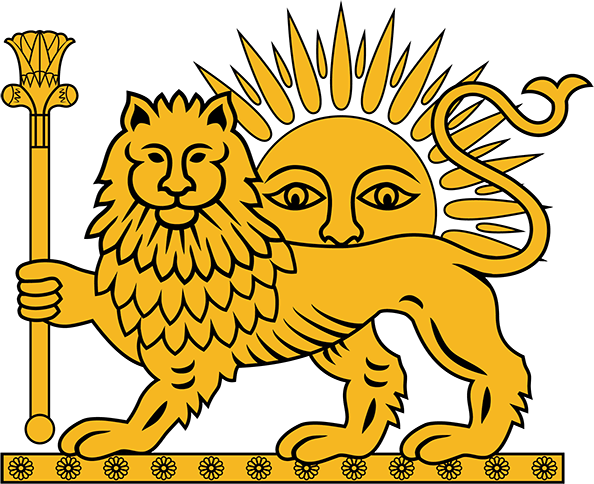
.تمامی حقوق محفوظ است نشان پرچم
.نشان پرچم «شیر و خورشید» خواهد بود
شیر نماد قدرت، پویایی و سرزندگی است و ایران را به عنوان سرزمینی یکپارچه و ملتی متحد زیر یک پرچم نمایندگی میکند
خورشید نماد زندگی، انرژی، امید و طلوع روزی نو در سرزمین رنگارنگ و کهن ایران است. در این طراحی، خورشید با چهرهای انسانی و آرام به تصویر کشیده شده است، الهامگرفته از سنتهای هنری تاریخی ایران که در آن خورشید اغلب با سیمایی ملایم، نماد گرما، زندگی و نوزایی بوده است
خورشید در این طرح دارای ۲۱ پرتو است که نماد نوزایی و رنسانس فرهنگی به شمار میآید
شیر بدون شمشیر
در نسخههای تاریخی نشان شمشیر در دوره قاجار به شیر افزوده شد. این شمشیر نماد اقتدار سلطنتی بود و در برداشت شیعی، به ذوالفقار، شمشیر امام علی، و مفاهیمی چون عدالت و قدرت نسبت داده میشد
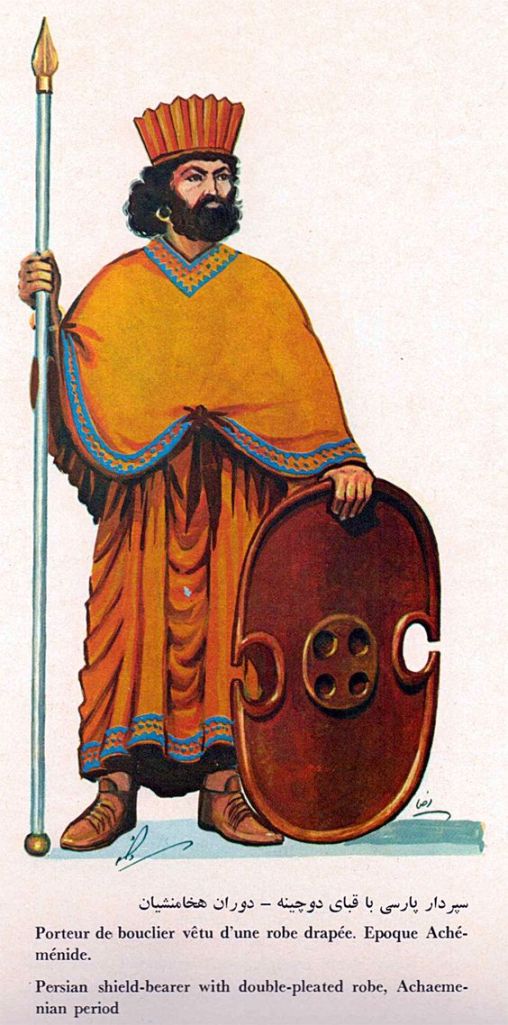
در این طراحی جدید، شیر در حالتی دفاعی و محافظ ظاهر میشود. به جای شمشیر، شیری دیده میشود که نیزهای به سبک هخامنشی در دست دارد که سر آن با گل انار شکوفا شده است. این تغییر، نماد جنگ را به نمادی از زندگی، نوزایی، کرامت و وحدت تبدیل میکند
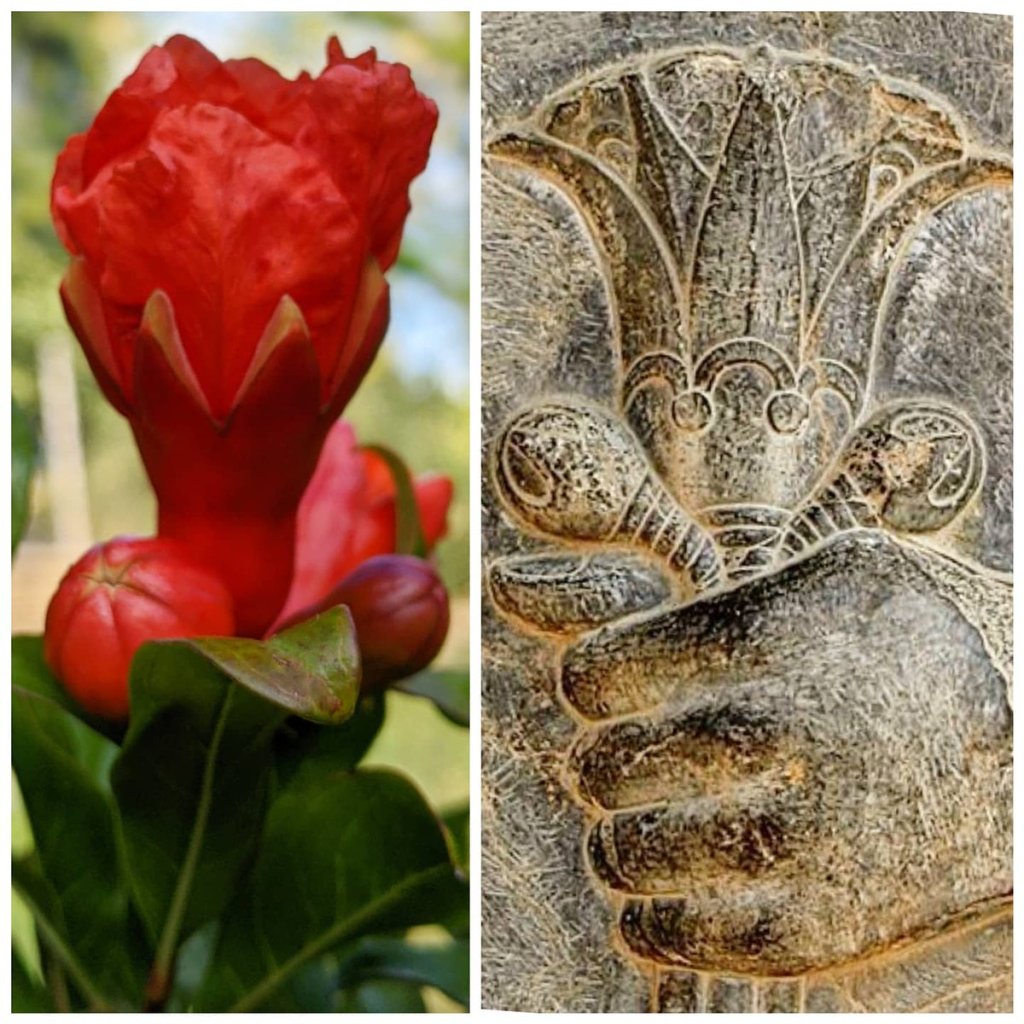
گل انار نماد زندگی، عشق، نوزایی و اتحاد انسان ها است. این گل نمایانگر پیوند و اتحاد تمام فرهنگها، اقوام و مذاهب مختلف در سراسر ایران است
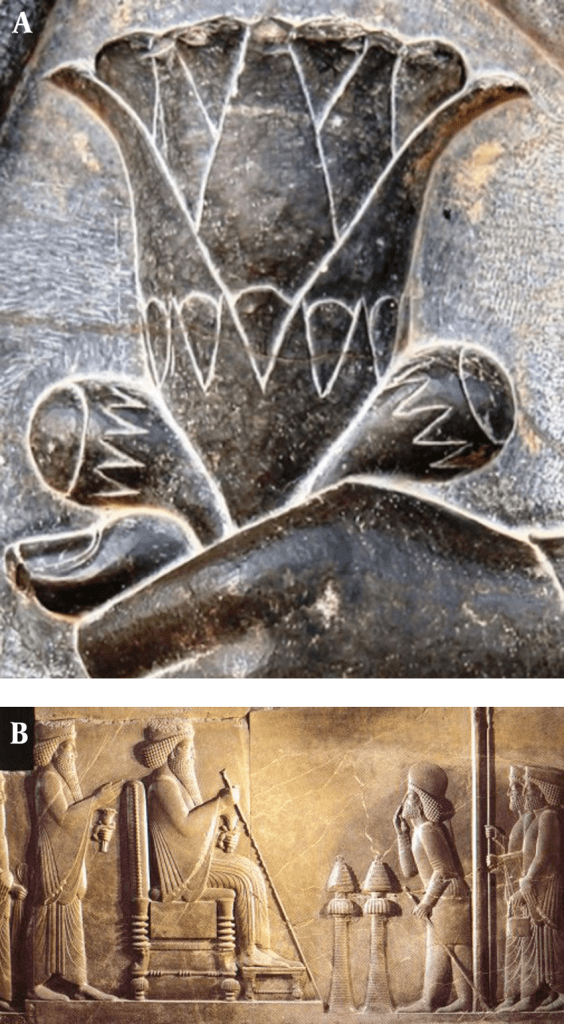
الگوهای گلدار در حجاریهای برجسته تخت جمشید (حدود ۵۰۰ پیش از میلاد) دیده میشوند و نماد تداوم، سرزندگی و کرامت سلطنتی بودهاند. این فرمهای باستانی الهامبخش بازتفسیر صلحآمیز در طراحی پرچم جدید هستند
نمادگرایی در طراحی شیر
.یال شیر دارای سه لایه با ۱۱، ۹ و ۷ بخش است که نماد شهود، خرد و کمال هستند
.عدد ۷ همچنین به هفتسین اشاره دارد، هفت عنصر نمادین که در جشنهای نوروز به نمایش گذاشته میشوند.دم شیر با یک نیلوفر شکوفا به پایان میرسد، نمادی از مقاومت، باززایی و پیروزی بر دشواریها
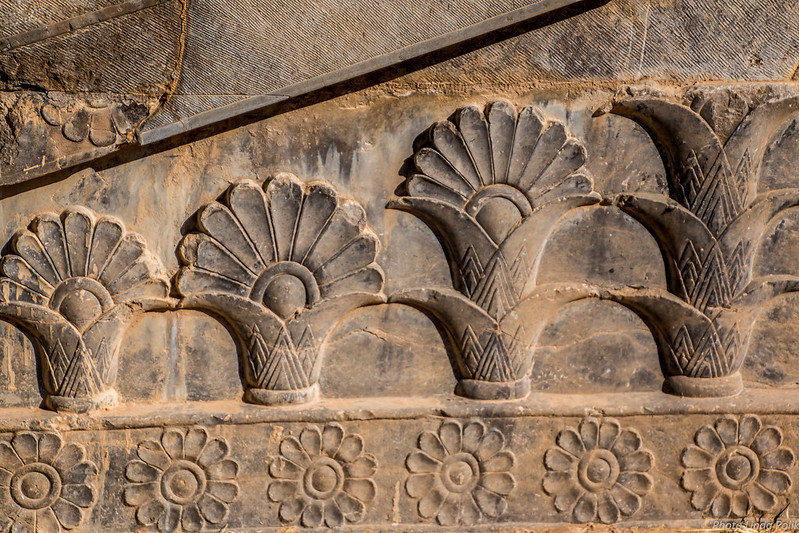
پایه گلدار
در پایه نشان، ۱۲ گل نیلوفر دیده میشود که نمایانگر دوازده ماه سال و چرخه زمان است. نقشمایههای نیلوفر و گلبرگ در هنر هخامنشیان در تخت جمشید ظاهر شدهاند و نماد نوزایی، تداوم و پایایی زندگی بودهاند. در این طراحی، دوازده گلبرگ همچنین نشاندهنده ساز و کار تقویم ایرانی و ارتباط میان خورشید، زمان و فصول سال است

پیشینه تاریخی شیر و خورشید
نماد شیر و خورشید در شکل ترکیبی آن به دوران قرون وسطی (حدود سده دوازدهم میلادی) بازمیگردد و تحت تأثیر نشانههای اخترشناسی، به ویژه خورشید در برج اسد شکل گرفته است
در طول زمان، سلسلههای ایرانی این نشان را پذیرفتند و بازتفسیر کردند و به آن معنای فرهنگی، سلطنتی و بعدها ملی بخشیدند
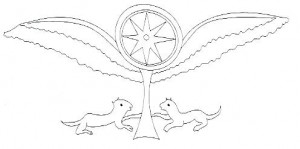
در هنرهای کهن خاور نزدیک، اغلب دیسکهای خورشیدی و شیرها به عنوان نماد قدرت و تقدس دیده میشدند. اگرچه این آثار، نشان ترکیبی شیر و خورشید بعدی نیستند، اما ریشههای تاریخی عمیق هر دو نماد در این سرزمین را نشان میدهند
در هنر ایران و خاور نزدیک باستان، شیرها و نمادهای خورشید جداگانه ظاهر میشدند و نشاندهنده قدرت، تقدس و نظم کیهانی بودند. شکل ترکیبی شیر و خورشید بعدها پدید آمد و شکل شناختهشدهٔ آن در دوره اسلامی قرون وسطی شکل گرفت و سپس به نماد پایدار هویت ایرانی تبدیل شد.
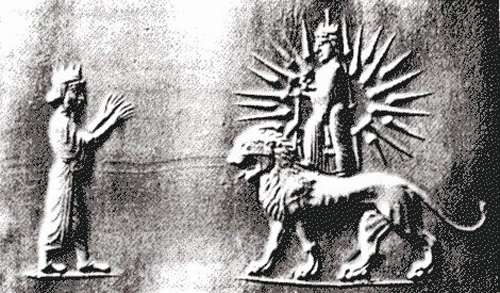
در هنر باستان ایران، گاهی شخصیتهای الهی یا پادشاهی با شیر و خورشید تابان به تصویر کشیده میشدند. این تصاویر خود نشان شیر و خورشید نیستند، اما بازتاب سنتهای نمادین هستند که بعدها بر فرهنگ دیداری ایران تأثیر گذاشتند
این طرح پرچم در مهر و آبان ۱۴۰۱ به عنوان پیشنهادی برای ایران دموکراتیک و سکولار طراحی شد. هدف آن حفظ تاریخ، عمق فرهنگی و همبستگی ایران و در عین حال بیان مفاهیمی چون صلح، زندگی و باززایی است. این طراحی از برداشتهای تاریخی نماد شیر و خورشید، بهویژه نمونههای دوران صفوی الهام گرفته و این نماد را در قالبی نو، صلحآمیز و همبسته بازآفرینی کرده است
“To deny people their human rights is to challenge their very humanity”
— Nelson Mandela
آیا در مورد ایده پرچم جدید سؤالی دارید؟
New Flag Idea for a Democratic Iran
-
Back to Home
All rights reserved. The Tricolours of the Flag
Green expresses life and nature.
This colour represents the lush landscapes of Iran, including the Caspian regions in the north, the oak forests of Zagros, the Persian Gulf coastline, and the Arasbaran forests.
White expresses freedom and peace.
This colour reflects the Dasht-e Kavir (Great Salt Desert), the Mars-like Martian Mountains of Chabahar, and the snowy peaks of Damavand, Alam-Kuh, Sahand, Sabalan, and the great Zagros and Alborz mountain ranges.
Red expresses courage and bravery.
This colour represents the red beaches of Hormuz, Maharloo and Lipar lakes, the colourful Aladaglar mountains, and the red mountains of the Semnan desert.All rights reserved. The emblem of the flag will be The Lion and Sun (Persian: شیر و خورشید, Shir o Khorshid);
The Lion represents strength and vitality. It symbolizes Iran as a whole and a united nation under one flag.
The Sun represents life, energy, hope, and the dawning of a new day in the colourful ancestral land. In this design, the Sun is rendered with gentle human features inspired by historical Persian artistic traditions, where the Sun often appeared with a serene face symbolizing warmth, life, and renewal. The surrounding 21 rays further reinforce these themes, emphasizing continuity, renewal, and cultural renaissance.The Lion Without the Sword
In historical versions of the emblem, a sword was added to the lion during the Qajar period (late 18th to early 19th century). The sword symbolized royal authority and, in Shiʿa interpretation, was associated with Zulfiqar, the sword of Imam Ali, representing justice and strength.
In this new design, however, the Lion is shown in a defensive and protective posture. Instead of a sword, the Lion holds an Achaemenid-style spear topped with a blossoming pomegranate flower (Golnar), transforming a symbol of warfare into one of life, renewal, dignity, and unity.
The pomegranate flower symbolizes life, love, renewal, and shared humanity. It represents an alliance of all cultural, ethnic, and religious backgrounds across Iran.
Floral motifs appear in relief carvings at Persepolis (circa 500 BC), where they symbolize continuity, vitality and royal dignity. These ancient forms inspire the peaceful reinterpretation in the flag’s design.
Symbolism in the Lion’s Design
The lion’s mane contains three levels with 11, 9, and 7 sections, symbolizing intuition, wisdom, and completeness.
The number 7 also refers to Haftsin (هفتسین), the seven symbolic items displayed during Nowruz celebrations.
The lion’s tail ends in a blossoming lotus, symbolizing resilience, rebirth, and triumph over hardship.
The Floral Base
The base of the emblem contains 12 lotus flowers, representing the twelve months of the year and the cycle of time. Lotus and rosette motifs appear in Achaemenid art at Persepolis, where they symbolize renewal, continuity, and the enduring nature of life. In this design, the twelve petals also reflect the rhythm of the Iranian calendar and the connection between the sun, time, and the seasons.
Historical Background of the Lion and Sun
The Lion and Sun motif in its combined emblem form dates back to the medieval period (around the 12th century) and was influenced by astrological symbolism, particularly the Sun in the zodiac sign of Leo.
Over centuries, Iranian dynasties adopted and reinterpreted the emblem, giving it cultural, royal, and later national meaning.
Ancient Near Eastern art often featured solar disks and lions as symbols of divinity and power. While these are not the later Lion and Sun emblem, they show the deep historical roots of both symbols in the region. While lions and solar symbols appear separately in ancient Iranian and Near Eastern art, symbolizing power, divinity, and cosmic order, the combined Lion and Sun emblem developed later. Its recognizable form emerged in the medieval Islamic period before becoming a lasting symbol of Iranian identity.
Ancient Iranian art sometimes depicts divine or royal figures associated with lions and radiant solar imagery. These scenes are not the Lion and Sun emblem itself, but reflect symbolic traditions that later influenced Iranian visual culture. This flag concept was designed in September and October 2022 as a proposal for a future democratic and secular Iran, aiming to preserve Iran’s history, cultural depth, and unity while expressing peace, life, and renewal. The design draws inspiration from historical interpretations of the Lion and Sun motif, particularly those seen during the Safavid era, while reimagining the symbol in a modern, peaceful, and unifying form.
All rights reserved.To deny people their human rights is to challenge their very humanity.”
— Nelson MandelaAny questions about the new flag idea?
New Flag Idea for a Democratic Iran


 New Iran Flag پرچم جدید ایران

